


Botox for Migraines in St. Louis: How It Works and What to Expect


Frequent migraine attacks can make daily life unpredictable. When medication taken during an attack no longer feels like enough, Botox for migraines in St. Louis may be worth discussing with a qualified medical provider. Botox is a preventive treatment for certain adults with chronic migraine. It aims to reduce future headache days rather than stop a migraine that has already started.
Medical Botox treatment differs from Botox for cosmetic lines. It uses a specific dose and a set pattern of small injections across the head and neck. The treatment also requires an accurate migraine diagnosis, a complete medical assessment, and follow-up care every 12 weeks.
Modern Med provides personalized consultations and prescription neurotoxin treatments in St. Louis. Before scheduling migraine Botox treatment, confirm whether the practice currently provides the full chronic migraine protocol or coordinates care with a neurologist or headache specialist.
What is a Chronic Migraine?

A migraine is a neurological condition. It can cause much more than head pain, and the symptoms can affect your ability to think, work, drive, exercise, or spend time with family.
Chronic Migraine Is More Than an Occasional Headache
Chronic migraine generally means you experience 15 or more headache days per month for more than three months. At least eight of those days must include migraine symptoms or respond to migraine-specific medication.
Those headache days do not always feel the same. Some may involve severe throbbing pain, nausea, vomiting, visual changes, or sensitivity to light and sound. Other days may bring milder pressure, neck pain, fatigue, or trouble concentrating.
Living with chronic migraine often means planning around the next attack. You may miss work, cancel appointments, avoid exercise, or worry about driving home when symptoms begin. This ongoing disruption is one reason preventive migraine treatment matters.
Cleveland Clinic describes chronic migraine as at least 15 headache or migraine days a month, including at least eight days with migraine features, for at least three months.
Chronic Migraine vs. Episodic Migraine
Episodic migraine involves fewer than 15 headache days per month. Someone may still have painful or disabling migraine attacks, but the frequency falls below the chronic migraine threshold.
The distinction affects whether Botox may be an appropriate treatment option. The Food and Drug Administration approved Botox® to prevent headaches in adults with chronic migraine who have at least 15 headache days a month, with headaches lasting four hours or longer. Botox is not approved for adults who have 14 or fewer headache days a month.
An accurate diagnosis should always come first. New headaches, sudden changes in pain, weakness, confusion, fever, fainting, or vision loss may require urgent medical assessment rather than routine migraine care.
How Botox Works for Migraine Prevention

Botox for migraine does not simply relax a tight forehead. It affects chemical communication between nerves involved in headache and migraine pain.
Blocking Chemical Signals Involved in Pain
Botox is a brand name for onabotulinumtoxinA, a purified botulinum toxin type A medication. The treatment uses controlled medical doses administered into specific muscles and tissues.
During a migraine attack, nerve endings release chemical messengers associated with pain. These include substances involved in inflammation and pain signaling, such as calcitonin gene-related peptide.
Botulinum toxin interferes with the release of some of these chemical messengers. A provider places the medication near nerve endings in selected areas of the head and neck. This may reduce activation of migraine pain pathways before an attack develops.
Botox works as a preventive treatment. It does not numb your whole head, and it cannot stop a migraine that has already started. You may still need prescribed acute medication for breakthrough migraine attacks.
Why Medical Botox Differs From Cosmetic Botox
Cosmetic Botox targets selected facial muscles that contribute to forehead lines, frown lines, and crow’s feet. The goal is to temporarily soften visible expression lines.
Botox for the treatment of chronic migraine follows a much broader medical protocol. The provider may inject the forehead, temples, scalp, the back of the head, the upper neck, and the shoulders. The treatment also uses a larger total dose than many cosmetic appointments.
The table below shows the main differences.
Feature | Botox for Chronic Migraine | Botox for Cosmetic Treatment |
Main goal | Prevent or reduce headache days | Temporarily soften expression lines |
Typical areas | Forehead, temples, scalp, back of head, neck, shoulders | Forehead, glabella, crow’s feet and other selected facial areas |
Standard schedule | Usually every 12 weeks | Often every 3 to 4 months, based on response |
Treatment pattern | Established medical injection protocol | Personalized cosmetic placement |
Assessment needed | Migraine diagnosis and medical review | Cosmetic consultation and medical review |
Typical dose | Standard migraine protocol begins at 155 units | Varies by facial area and treatment goal |
Cosmetic injections should not replace injections for migraine treatment. Tell every provider about any Botox, Dysport, or other botulinum toxin product you have received. This helps your care team monitor total Botox doses and avoid overlapping treatment schedules.
Who May Be a Candidate for Botox for Migraines?
Not everyone with headache pain qualifies for Botox. Your monthly headache pattern, diagnosis, medical history, and previous migraine treatment options all matter.
Signs Botox May Be Worth Discussing
A provider may consider Botox when you:
Experience at least 15 headache days per month
Have headaches that last four hours or longer
Have migraine symptoms on at least eight days per month
Continue to have frequent migraines despite other preventive care
Develop difficult side effects from oral preventive medication
Depend heavily on medication taken during migraine attacks
Can attend repeat appointments about every 12 weeks
Can keep a reliable headache diary
Botox may also fit into a broader treatment plan that includes acute migraine medication, sleep changes, hydration, trigger management, or other preventive treatment.
Having frequent headaches does not automatically confirm chronic migraine. Medication overuse, tension-type headache, cluster headache, sinus problems, sleep disorders, neck conditions, and other health concerns can cause or worsen head pain.
What the Initial Medical Assessment Should Cover
Your clinician should ask how many headache days you experience, how long they last, where the pain begins, and which symptoms occur with them. Bring information about nausea, visual symptoms, light sensitivity, sound sensitivity, neck pain, and any warning signs that occur before an attack.
The provider should also review:
Current and previous migraine medications
Frequency of pain reliever or triptan use
Past preventive treatments
Allergies and previous reactions to injections
Muscle or nerve disorders
Breathing or swallowing problems
Active infections
Pregnancy or breastfeeding
Recent Botox, Dysport, or related injections
Bring a headache diary to your consultation when possible. A few weeks of records can show your number of headaches, treatment response, and patterns that may be difficult to remember during an appointment.
What Happens During a Botox Migraine Appointment?

A proper migraine appointment begins with a medical evaluation. The injections come only after the provider confirms that treatment is appropriate.
Consultation and Treatment Planning
Your provider will review your migraine diagnosis, headache days per month, medication use, health history, allergies, and past treatments. You should also discuss what improvement would look like for you.
A meaningful result may include fewer migraine days, less severe pain, shorter attacks, or less use of rescue medication. Complete migraine elimination is not the only measure of success.
Your clinician should explain the treatment process, possible side effects of Botox, expected timeline, alternative treatments, and warning signs that require medical care. You will then review and sign informed consent.
The Standard Injection Pattern
The Food and Drug Administration approved protocol uses 155 units of onabotulinumtoxinA divided across 31 injection sites. Each injection typically contains five units. The injections cover seven muscle groups across the head and neck.
Common treatment areas include:
The forehead
The area between and above the eyebrows
The temples
The back of the head
The upper neck
The trapezius muscles
The upper shoulder area
A trained clinician may adjust certain sites based on pain location, anatomy, medical history, and clinical judgment. However, a few cosmetic forehead injections do not equal the full treatment of chronic migraine.
Does Migraine Botox Hurt?
Most people describe the procedure as a series of quick pinches or stings. The provider uses a very small needle and completes each Botox injection within seconds.
Some injection sites may feel more sensitive than others. You may notice more discomfort if you arrive during an active migraine attack or already have scalp and neck tenderness.
Topical numbing cream may be available, but many patients do not need it. Ask your provider what they recommend before applying anything to your skin.
How Long Does the Appointment Take?
The Botox injection usually takes about 10 to 20 minutes. Your first treatment may take longer because the provider needs to review your history, discuss the plan, map the injection sites, and explain aftercare.
Most patients can leave soon after treatment. Sedation is not usually necessary, so you can often drive yourself unless migraine symptoms or another medical issue make driving unsafe.
Johns Hopkins Medicine notes that providers use a small needle to inject areas around the forehead, temples, head, and neck.
How to Prepare for Botox Migraine Injections

Preparation starts with honest medication disclosure. Small details can affect bruising risk, drug interactions, and overall safety.
Medications, Supplements, and Medical History
Give your provider a complete list of prescription medications, over-the-counter drugs, vitamins, and supplements. Discuss blood thinners, muscle relaxants, injectable antibiotics, sleep medication, and any other botulinum toxin product.
Never stop a prescribed blood thinner or other medication unless the clinician who manages it tells you to do so. Preventing a bruise is not as important as protecting yourself from a blood clot, stroke, or other medical problems.
Tell the provider about an active infection, recent illness, muscle weakness, breathing problems, or difficulty swallowing. You should also report any negative side effects from a previous botulinum toxin injection.
Practical Preparation Before the Visit
Arrive with clean skin or expect the provider to remove makeup from the injection sites. Wear a shirt that gives access to the upper neck and shoulders.
Eat normally and stay hydrated unless your clinician gives different instructions. Bring your medication list, headache diary, identification, and insurance information when relevant.
Avoid scheduling your first treatment immediately before a wedding, photo session, or major event. Mild bruising, swelling, neck pain, or a temporary change in brow position may occur.
Botox Migraine Aftercare and Recovery
Most people return to normal daily tasks shortly after receiving Botox. Your provider may give instructions based on your treatment areas and medical history.
What to Avoid After Treatment
Do not rub, massage, or place heavy pressure over the injection sites right after treatment. Ask your clinician when you can safely schedule a facial, massage, hair appointment, or additional cosmetic procedure.
Many practices advise avoiding strenuous exercise, heavy sweating, tanning, and lying flat for several hours. Follow the specific directions from your treating clinician rather than relying on general online advice.
Continue your prescribed migraine medication unless the clinician managing it recommends a change. Botox may help prevent migraine attacks, but it does not immediately replace your existing treatment plan.
Normal Short-Term Reactions
Temporary effects may include:
Mild injection site tenderness
Small bumps that settle soon after treatment
Redness or bruising
Neck soreness or stiffness
Headache
Fatigue
Temporary eyebrow or eyelid changes
A temporary worsening of migraine may occur in some patients after the first treatment. Contact the treating clinic if symptoms feel severe, unusual, or continue longer than expected.
When Results Begin and How Long They Last
Botox does not work immediately. Nerve signaling changes gradually after treatment, so patience and careful tracking matter.
When Patients May Notice Improvement
Some patients notice fewer headaches within two to four weeks. Others need a second or third treatment cycle before the effects of Botox become clear.
The first treatment should not be judged after only a few days. Your clinician may recommend assessing your response across at least two cycles, especially when your headache pattern changes from month to month.
Botox can reduce headache frequency and severity, but the response differs from person to person.
Why Treatment Is Usually Repeated Every 12 Weeks
The effects gradually decrease as nerve signaling returns. For this reason, chronic migraine patients usually receive Botox injections every 12 weeks.
The effects commonly last 10 to 12 weeks. Some patients notice migraine symptoms returning as the next treatment date approaches.
Do not shorten the interval or add cosmetic Botox without medical approval. Your provider needs to consider the total dose, injection sites, and timing of every botulinum toxin treatment.
Tracking Whether Botox Is Working
Use a headache diary before and after each treatment. Record:
Total headache days a month
Number of migraine days
Pain severity
Attack duration
Medication use
Missed work or family activities
Nausea and sensory symptoms
Changes near the end of each 12-week cycle
Botox may be helping even when migraine attacks do not disappear. Fewer headache days, shorter attacks, milder pain, or reduced medication use can all represent progress.
Benefits and Limitations of Botox for Chronic Migraine

Botox can help some adults with chronic migraine, but no provider should promise a specific result.
Potential Benefits
Patients who respond to treatment may experience:
Fewer headache and migraine days
Reduced migraine severity
Shorter attacks
Less disruption to work and family life
Reduced use of acute migraine medication
Better ability to complete normal activities
An alternative to adding another daily oral medication
Clinical trials in the PREEMPT clinical program supported the use of onabotulinumtoxinA for chronic migraine prevention. The treatment reduced headache days compared with placebo, although individual responses differed.
The Migraine Trust reports that many patients experience a reduction of about 30% to 50% in headache frequency. This figure describes a general response range, not a guaranteed result for every patient.
What Botox Cannot Guarantee
Botox does not permanently cure migraines. It cannot stop every migraine attack, and it does not work equally well for all patients with chronic migraine.
It also cannot replace urgent evaluation for a new or dangerous headache. Seek medical care for sudden severe pain, weakness, confusion, seizure, fever, head injury, fainting, or major vision changes.
Sleep, hydration, stress, medication use, hormones, food triggers, and other health conditions may still affect your migraine symptoms. Long-term treatment often involves more than one approach.
Risks, Side Effects, and Reasons to Contact a Provider
Most side effects of Botox remain limited to the injection areas, but serious complications can occur. Understanding the warning signs helps you respond quickly.
Common Side Effects of Botox
Common or expected reactions may include:
Pain, swelling, or bruising at an injection site
Neck pain or stiffness
Headache
Temporary muscle weakness
Eyelid or eyebrow drooping
Dry or watery eyes
Fatigue or flu-like symptoms
Report symptoms that persist, worsen, or interfere with normal activities. Your provider may need to examine you before the next treatment.
Rare but Serious Symptoms
Botox carries a boxed warning about the possible spread of toxin effect beyond the injection area. Symptoms may appear hours to weeks after treatment.
Seek urgent medical care if you develop:
Trouble breathing
Trouble swallowing
Difficulty speaking
Widespread muscle weakness
Double or blurred vision
Loss of bladder control
Facial or throat swelling
Signs of a severe allergic reaction
Do not wait for a routine follow-up appointment when breathing or swallowing becomes difficult.
Who Should Avoid or Postpone Treatment?
Treatment may need to be delayed or avoided if you have an infection at a planned injection site, an allergy to botulinum toxin ingredients, or certain muscle and nerve disorders.
Tell your provider if you take medications that affect muscles or nerve signaling. You must also disclose any recent injection of Botox, Dysport, Xeomin, Jeuveau, Daxxify, or another related product.
Discuss treatment during pregnancy or breastfeeding with an appropriate medical professional. Available safety data remain limited, so Botox is not a routine migraine treatment during pregnancy.
Botox for Migraines Cost in St. Louis

Migraine Botox uses more units and more injection sites than most cosmetic treatments. Pricing should reflect the medical protocol, clinician assessment, and billing arrangement.
Why Migraine Botox Pricing Differs From Cosmetic Botox
Modern Med lists cosmetic Botox at $13 per unit. Its savings program lists a member price of $11.70 per unit, along with a discount on other eligible services.
Do not assume these cosmetic rates apply to Botox for migraine. The standard chronic migraine protocol begins at 155 units, which differs greatly from a small cosmetic treatment area.
Modern Med should confirm:
Whether it offers the full migraine protocol
Whether cosmetic unit pricing applies
Whether membership discounts apply
Whether the service is billed medically or cosmetically
Whether specialist clearance is required
Whether follow-up visits have separate fees
No accurate treatment total can be provided until the practice confirms its migraine treatment and billing policies.
Insurance and Payment Questions to Ask
Call both the practice and your insurance company before treatment. Ask whether you need a formal chronic migraine diagnosis, a referral, prior authorization, or proof that other preventive medications have been tried.
Insurance plans may also require records of your headache days per month, migraine duration, previous treatment failures, and medication history.
Ask whether the medication charge and procedure fee are billed separately. Also confirm whether the provider submits claims directly or expects you to pay and request reimbursement.
Choosing a Botox Migraine Provider in St. Louis
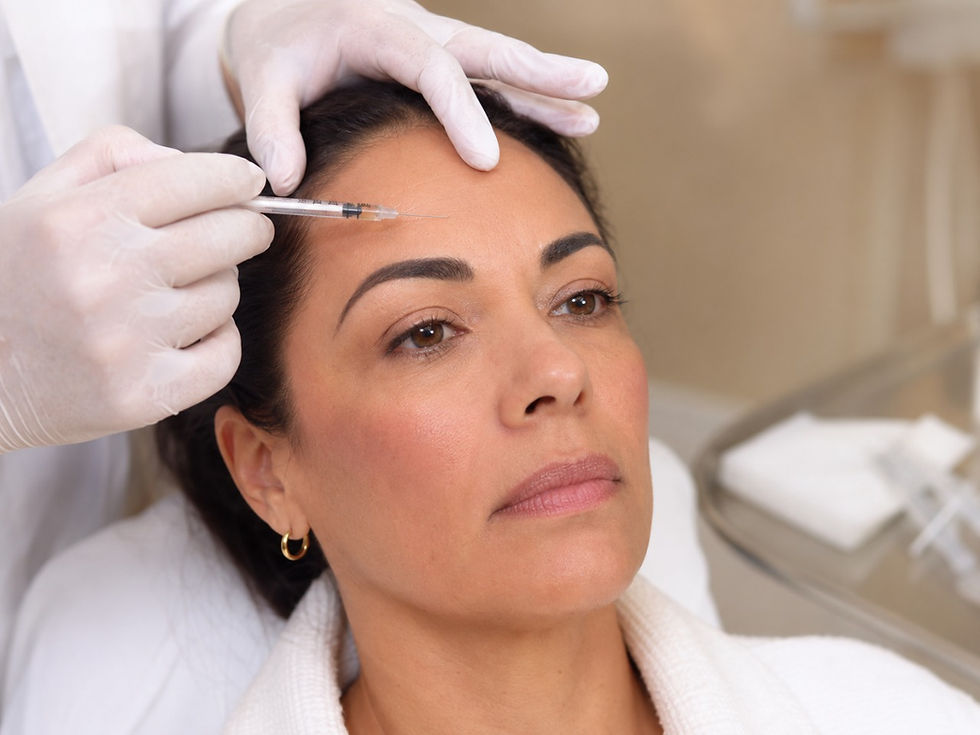
The injector’s understanding of migraine care matters as much as injection skill. Therapeutic placement requires knowledge of head and neck anatomy, chronic migraine criteria, dosing, and possible complications.
Training and Medical Experience Matter
Ask the provider:
How often do you perform Botox injections for migraine?
Do you follow the FDA-approved chronic migraine protocol?
How do you coordinate cosmetic and medical Botox?
How do you track headache response?
What happens if side effects occur?
When do you refer patients to a neurologist?
Who provides care between treatment visits?
A qualified clinician should explain the treatment clearly, discuss other migraine treatment options, and avoid promising complete migraine relief.
Modern Med’s Consultation-Based Approach
Modern Med was founded by Nurse Practitioner Lauren Pohle, also known as Nurse Lauren. The St. Louis practice focuses on personalized consultations, informed consent, patient education, and treatment plans based on each client’s goals and health history.
Modern Med also has experience with prescription neurotoxins such as Botox and Dysport. That cosmetic experience should not be treated as an automatic confirmation of a chronic migraine program.
Contact the practice directly to verify whether it currently uses Botox to treat chronic migraine, which provider performs the injections, how pricing works, and whether your care needs coordination with a neurologist or headache specialist.
Frequently Asked Questions About Botox for Migraines
These common questions can help you prepare for a consultation and understand what treatment may involve.
1. How Many Headache Days Do I Need to Qualify for Botox?
Botox is approved for adults with chronic migraine who experience at least 15 headache days per month, with headaches lasting four hours or longer. At least eight days generally include migraine symptoms.
2. Is Migraine Botox the Same as Cosmetic Botox?
The medication may be the same, but the purpose, dose, injection sites, and treatment schedule differ. Migraine Botox follows a medical head and neck protocol.
3. How Many Injections Are Used for Migraine Treatment?
The standard FDA-approved protocol uses 31 small injections across seven muscle groups. The recommended total dose is 155 units.
4. Can Botox Stop a Migraine Once It Starts?
No. Botox is used to prevent migraine attacks over time. It does not act as an emergency or rescue treatment for an attack already in progress.
5. How Often Will I Receive Botox?
Most patients receive injections every 12 weeks. Your provider should base continued treatment on your response, side effects, and medical needs.
6. Can I Continue Taking My Migraine Medication?
Often, yes. Do not stop prescribed medication unless the clinician managing your migraine treatment tells you to change it.
Is Botox for Migraines the Right Next Step?
Frequent migraine attacks can affect nearly every part of your day. Botox may offer a preventive option when you meet the criteria for chronic migraine and other treatment approaches have not provided enough relief.
Treatment uses multiple small injections across the head and neck. The effects develop gradually, and most patients receive injections every 12 weeks. A headache diary helps you and your provider judge whether Botox reduces headache frequency, pain, attack duration, or medication use.
Start with a correct diagnosis and a complete medical assessment. Contact Modern Med in St. Louis to ask whether the practice currently provides Botox for migraine, which provider performs the treatment, what pricing applies, and whether you need care from a neurologist or headache specialist.


